"You're going to want the bigger socket," Dad said from his lawn chair, about four seconds after I picked up the smaller one. He was right. He'd driven down from Savannah on Saturday morning with a thermos and no intention of getting his hands dirty, which is how he likes to help.
The Sienna had been making a thin metallic squeal at low speed for about two weeks. That's the wear indicator, a little steel tab on the pad that's designed to scrape the rotor and annoy you before the pad is gone. Tina had also noticed a slight pulse in the pedal coming down off I-229, which usually means the rotors are warped or worn unevenly. At 188,300 miles, I wasn't shocked.
The quote and the parts
Our shop quoted $489 for front pads and rotors, which is a fair price for about two hours of labor at $125 plus parts and shop supplies. I don't think they were padding it. I just thought I could do it, and Lyle down the street offered to lend me his good torque wrench, which tipped it.
- Front ceramic pads with hardware: $48
- Two front rotors at $39 each: $78
- Brake cleaner and a small packet of caliper grease: $16
That's $142 before the cost of my Saturday. I already owned the floor jack, two pairs of jack stands, a breaker bar and a big C-clamp.
How the job went
The Sienna fits in the garage, so I pulled it in and shut the door against the wind. I cracked the lug nuts loose with the breaker bar while the wheels were still on the ground, then jacked up the front at the factory lift point and set it down on jack stands under the pinch welds. I gave the van a shove to make sure it wasn't going anywhere before I put my hands near it. Dad nodded at that, which is about as close as he comes to praise.
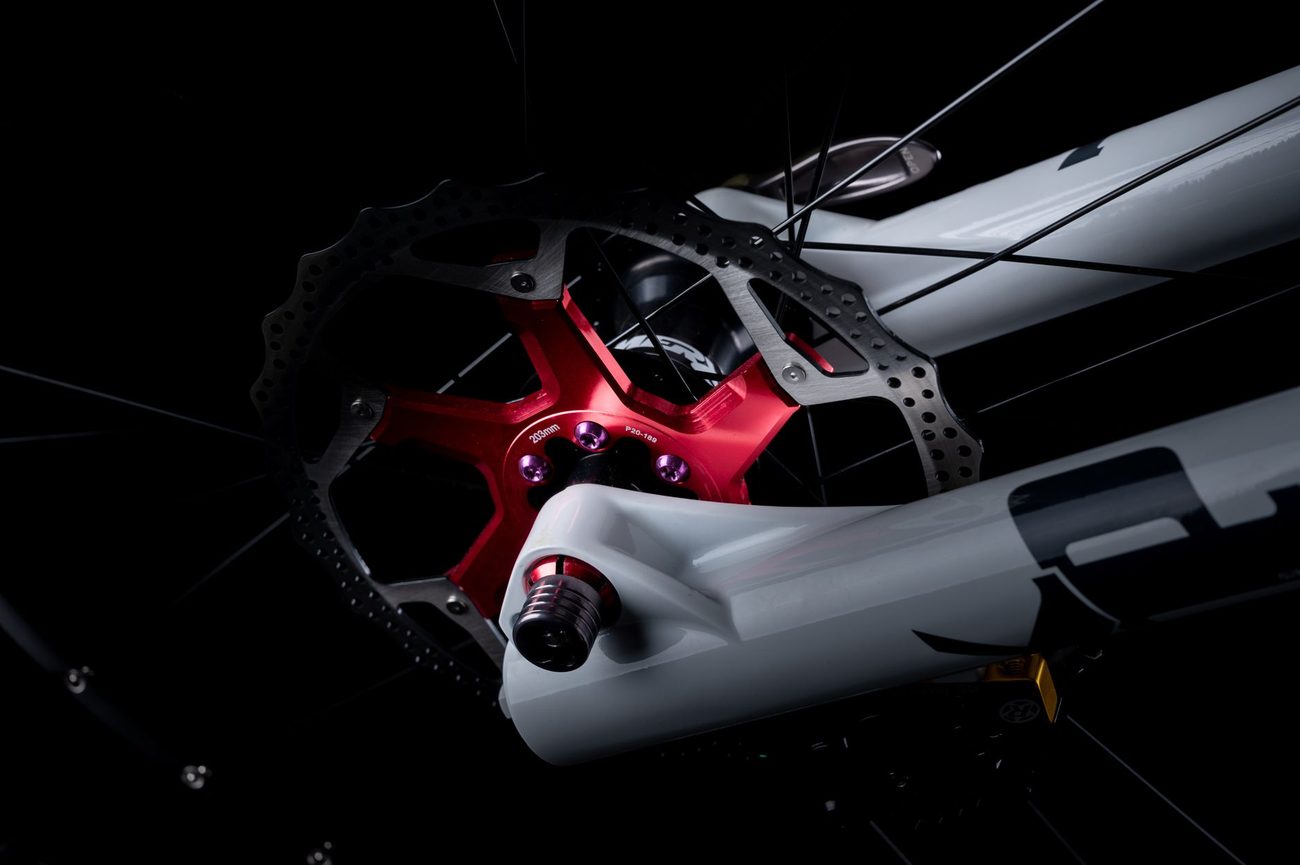
With the wheel off, the caliper comes off with two slide bolts on the back. I hung it from the strut spring with a bent coat hanger so it wasn't dangling from the rubber brake hose, which can damage the hose from the inside without looking any different on the outside. The old pads slid out of the bracket. Then the two larger bolts that hold the bracket on, and those were the ones that needed the breaker bar and a few words I won't print. The rotor was stuck to the hub with rust, as they all are in Missouri, and came off after some persuasion with a rubber mallet.
I wire-brushed the rust off the hub face so the new rotor would sit flat. The new rotors come with an oily coating for shipping, and that has to come off with brake cleaner or the new pads will glaze. New hardware clips went into the bracket with a light film of caliper grease where the pad ears ride, and grease on the slide pins. Not on the friction surfaces. Never on the friction surfaces.
To make room for the thicker new pads, I pushed the caliper piston back in with the C-clamp and an old pad as a shield. Before that, I took the cap off the brake fluid reservoir under the hood, because pushing the pistons back raises the fluid level, and you don't want it spilling over. Brake fluid eats paint. It stayed under the max line, barely.
Torque and the part people skip
This is where Lyle's wrench earned its keep. The caliper bracket bolts have a specific torque in the repair manual, and so do the lug nuts. On the Sienna it's 76 foot-pounds for the lugs, and I tightened them in a star pattern in two passes with the wheels back on the ground. Brakes are not where I guess.
The step people skip is pumping the pedal before you drive. After the pistons have been pushed back, the first few presses go nearly to the floor. If you back out of the garage without doing that, you'll find out at the end of the driveway. I pumped it until it was firm and high, checked the reservoir again, and then took it out to bed the pads in: a handful of moderate stops from about 35 down to 5 on an empty road near Krug Park, without coming to a full stop and sitting on the brakes, then a slow drive to let them cool.
The whole job took me about four and a half hours, which is a little more than twice what the shop would have billed. Most of that was the stuck bracket bolts and the stuck rotor on the passenger side. The squeal is gone, and the pulse is gone. Tina says it stops like it used to, which I'm choosing to take as a compliment.
I saved $347. I'd pay a shop if the caliper had been seized, if a brake line was rusted, or if the pedal felt soft afterward, because those are hydraulic problems and I don't take chances with them. For pads and rotors on a van with nothing else wrong, it's a good Saturday job. Dad's verdict, as he folded up his chair: "Not bad. Took you long enough."